
Essential Gear for Planning National Park Hikes

Theme selected: Essential Gear for Planning National Park Hikes. Pack smarter, move safer, and savor more trail with a thoughtful kit shaped by real park conditions, ranger wisdom, and stories from hikers like you.

Paper Maps Still Matter

When my phone froze in Zion’s canyon shade, a folded topo kept our group on the right terrace. Carry a waterproof map, study key junctions, and mark bailout points before you leave.

Compass Confidence on Complex Terrain

A simple baseplate compass pairs beautifully with a map when fog drifts across ridgelines in Olympic. Practice bearings at home, then confirm them at trail junctions rather than guessing left or right.

Footwear, Socks, and Layering: Comfort That Carries You

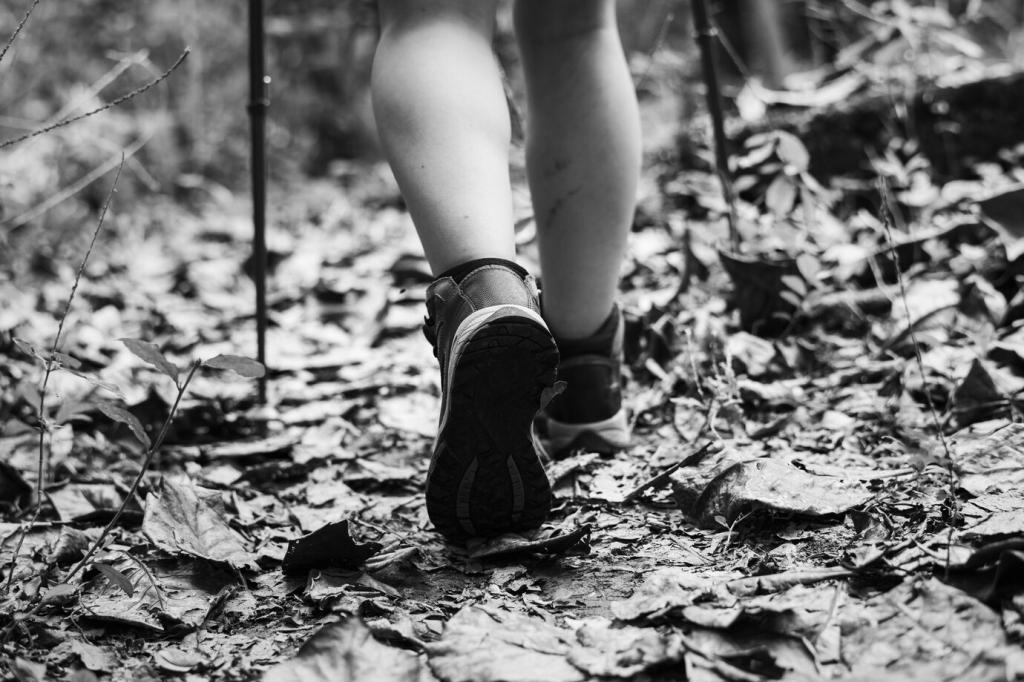
Granite slabs in Yosemite feel different than sandy washes in Canyonlands. If you prefer agility and quick drying, go with trail runners; if carrying heavier loads, supportive boots may save your ankles.

Hydration and Water Treatment You Can Trust

A hydration bladder encourages frequent sips, while bottles make dosing electrolytes and collecting water easier. In Arches, I learned two liters disappears shockingly fast; add a collapsible bottle for dry, exposed stretches.

First Aid Tailored for Trails

Customize your kit: blister care, elastic wrap, meds for pain and allergies, plus wound cleaning. On a windy day in Badlands, a minor cut stayed minor because supplies were easy to reach.

Emergency Shelter and Warmth

A heat-reflective bivy and compact foam sit pad earn their grams when wind chills spike. In Rocky Mountain National Park, a surprise storm turned a lunch stop into a vital warming break.

Communication and Signaling Plans

Whistle, signal mirror, and a satellite communicator create layers. Decide check-in times and dead zones. Rangers appreciate precise details, and your group gains calm confidence knowing a plan already exists.

Food, Cooking, and Park Regulations

Tortillas, nut butter, hard cheese, and crunchy veggies keep pace without a burner. On a breezy rim trail in Bryce, our quick picnic freed extra time for a sunset detour.

Food, Cooking, and Park Regulations

Check current restrictions; some parks limit flames during high-risk periods. Canister stoves are simple and reliable. Test your setup at home so wind screens, igniters, and pot grips all cooperate smoothly.
Waste Management and Trowel Etiquette
Carry a small trowel, toilet paper, and sealable bags. Learn local cathole depth and distance rules. In desert crusts, discretion and knowledge protect fragile soil communities invisible to hurried eyes.
Microtrash and Quick Repairs
A zip bag for wrappers, a few safety pins, and a strip of repair tape rescue both trails and gear. Post-hike, challenge friends to a microtrash tally and celebrate spotless camps.
Respect Wildlife with Distance
Binoculars beat close approaches. Store food securely, keep dogs leashed where allowed, and yield space on narrow paths. Share your respectful wildlife encounters and help new hikers learn welcoming, protective habits.
Bcgru
Privacy Overview

This website uses cookies so that we can provide you with the best user experience possible. Cookie information is stored in your browser and performs functions such as recognising you when you return to our website and helping our team to understand which sections of the website you find most interesting and useful.