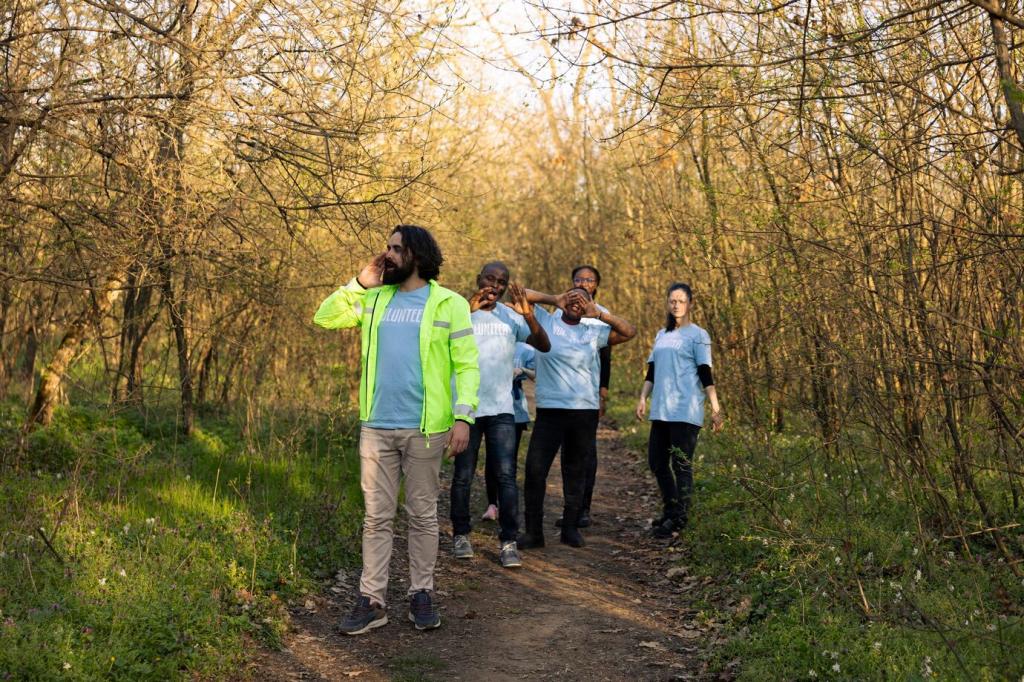





How to Choose the Right Hiking Route in a National Park

Today’s theme is all about choosing the right hiking route in a national park—balancing curiosity with safety, challenge with joy. Read on for smart, story-rich guidance, then share your favorite routes and subscribe for fresh, park-tested insights each week.

Match the Route to Your Experience and Fitness

Consider your average weekly mileage, typical elevation gain, and how you feel after long days. New to hiking? Start shorter. Returning after a break? Choose moderate grades. Celebrate progress by adding distance or climb in gentle increments, not all at once.

Match the Route to Your Experience and Fitness

In groups, pick routes based on the least experienced member. Their comfort sets the pace, morale, and safety margins. Shorter, scenic trails with benches, shade, and bailout points keep the vibe inclusive. Invite feedback and agree on clear expectations beforehand.

Read forecasts and respect microclimates and altitude

Mountain weather can shift quickly; higher elevations are cooler, windier, and storm-prone. Check hourly forecasts, radar, and park alerts. Carry layers and a rain shell even on bluebird mornings. If thunderstorms threaten, avoid ridgelines and high points entirely.

Hydration, heat, and cold dictate smarter route choices

Choose shorter, shaded routes on hot days and sunny, lower-altitude options in cold snaps. Bring enough water or a reliable filter; dry years may leave creeks empty. Know signs of heat exhaustion and hypothermia, and build conservative margins into your plan.

Permits, closures, and wildlife etiquette matter

Some popular trails require timed-entry or day-use permits. Always check for seasonal closures and sensitive habitat. Keep 25 yards from most wildlife and 100 yards from bears or wolves. Pack out trash, stay on durable surfaces, and leave wild places wilder.

Use Reliable Maps and Local Knowledge

Visitor centers are gold mines for up-to-date intel on snowlines, blowdowns, washed-out bridges, or closures. Share your goals, fitness, and time window. Rangers genuinely enjoy matching people with satisfying, safe routes you might otherwise overlook.

Use Reliable Maps and Local Knowledge

Cell service is unreliable in many parks. Download offline maps and carry a paper topo as a back-up. Know how to orient the map, read contour lines, and identify landmarks. Redundancy turns minor mistakes into manageable course corrections.

Use Reliable Maps and Local Knowledge

Trip reports reveal muddy sections, lingering snowfields, downed trees, or wasp nests. Favor reports from the past two weeks, ideally with photos. Note hiker pace and experience to calibrate your expectations and finalize your route choice confidently.

Two Trail Tales to Learn From

Maya almost picked a steep ridge because it looked famous online. After chatting with a ranger, she chose a mellow lakeside loop instead. She finished smiling, learned to read elevation stats, and subscribed to plan a bigger, smarter route next month.
Always carry the Ten Essentials, then scale water, calories, and insulation to your route. Short scenic loops need less, but still require basics. Longer, remote trails deserve extra layers, headlamp, first-aid, and a small repair kit to keep momentum.
Match shoes to terrain: light hikers or trail runners for smooth paths, sturdier boots for talus and scree. Consider trekking poles for knees and balance. If snow or ice lingers, microspikes may transform a marginal choice into a safe, satisfying route.
Eat and sip early and often to keep energy steady. Plan breaks at viewpoints rather than random stops. Post-hike, stretch calves and hips, and note what worked. Share your takeaways with our community and subscribe for seasonal packing checklists.
Bcgru
Privacy Overview

This website uses cookies so that we can provide you with the best user experience possible. Cookie information is stored in your browser and performs functions such as recognising you when you return to our website and helping our team to understand which sections of the website you find most interesting and useful.