

Hike Smart: Safety Tips for National Park Hiking Routes

Chosen theme: Safety Tips for National Park Hiking Routes. Step onto the trail with confidence, kindness, and curiosity. This page packs field-tested wisdom, ranger-backed insights, and real stories to help you plan better, avoid mishaps, and return happily—ready to explore again. Subscribe and share your own trail lessons to keep our community safer.

Plan Before You Step: Foundations of a Safe Hike

Start with the park’s official site, current conditions page, and recent trail reports. Look for closures, water availability, wildlife advisories, and seasonal hazards. Bookmark updates, and ask rangers specific questions. Comment below with your favorite reliable planning resources.
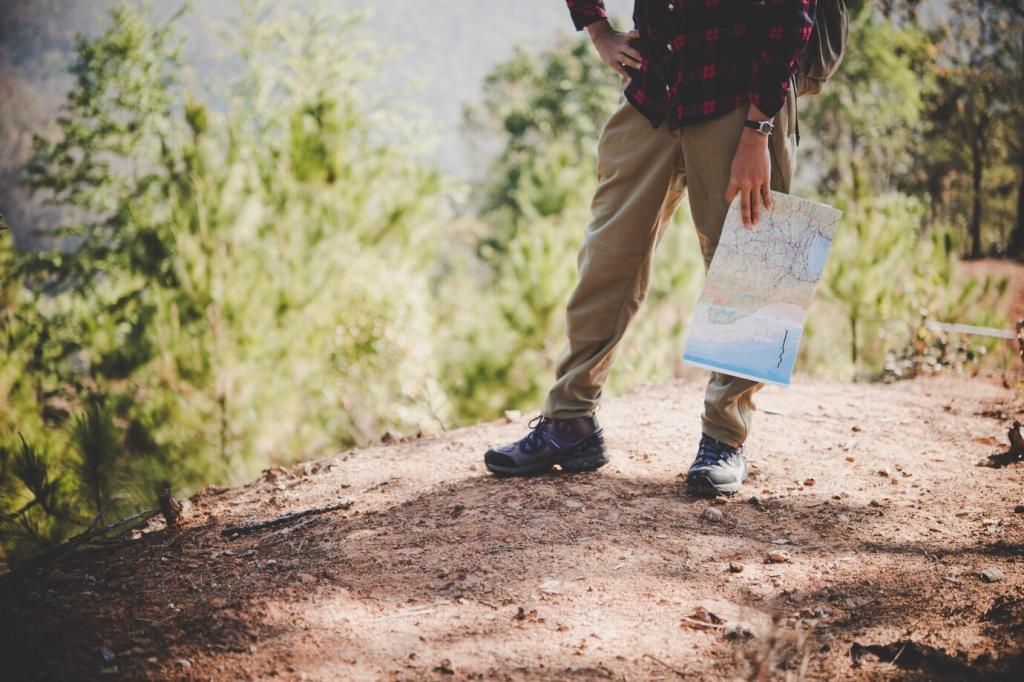
Carry a paper topo map, a real compass, and a fully charged phone with offline maps. Know how to use all three before you need them. Batteries die, screens crack, and paper never loses signal. Which mapping app do you trust most?
Follow official blazes and signed junctions. Never build new cairns, which can mislead others or harm fragile terrain. If a path looks braided, pause and verify. Share a moment when a tiny sign saved you from a big detour.
Set a firm turnaround time based on daylight, weather, and team energy. Lost? Stop, breathe, recheck landmarks, and backtrack to the last confirmed point. Pride is heavier than any pack. Tell us how a timely turnaround improved your trip.

This is the heading

Lorem ipsum dolor sit amet, consectetur adipiscing elit. Ut elit tellus, luctus nec ullamcorper mattis, pulvinar dapibus leo.

This is the heading

Lorem ipsum dolor sit amet, consectetur adipiscing elit. Ut elit tellus, luctus nec ullamcorper mattis, pulvinar dapibus leo.

Bear Country Basics and Food Storage

Carry bear spray where recommended and know how to deploy it. Use bear canisters or lockers, never leave packs unattended, and cook away from tents. Give bears space. Share a lesson you learned about proper food storage on a backcountry night.

Big Animals, Big Space: Bison, Moose, Elk

These animals seem calm until they are not. Keep long distances, yield trail, and never approach for photos. A visitor once backed away slowly and avoided a charge by reading the animal’s posture. How do you measure safe distance outdoors?

Snakes, Insects, and Toxic Plants

Watch handholds and step placement in warm rock zones. Learn local venomous species and avoid reaching blindly. Wear long sleeves in brushy areas and recognize poison ivy or oak. Tell us how you stay calm and careful in rattlesnake habitat.

Water, Food, and Energy: Fueling Safe Miles

Filter, boil, or chemically treat water, even if it looks pristine. Carry extra capacity in dry zones and confirm seasonal flow reliability. Gastro issues can ruin trips. What combination filter and backup treatment do you carry for redundancy?

Water, Food, and Energy: Fueling Safe Miles

Combine carbohydrates, fats, protein, and salts. Eat before you feel hungry and drink before you feel thirsty. Small snacks every hour prevent bonks. Share your favorite pocket-sized trail foods and how you rotate them across multi-hour climbs.

Water, Food, and Energy: Fueling Safe Miles

Unbuckle your hip belt, face upstream, and use trekking poles for three points of contact. Avoid crossing after storms or in slot canyons. When in doubt, don’t. Tell us the conservative decision that kept your boots—and group—safe and dry.

Water, Food, and Energy: Fueling Safe Miles

Lorem ipsum dolor sit amet, consectetur adipiscing elit. Ut elit tellus, luctus nec ullamcorper mattis, pulvinar dapibus leo.

Emergencies and Communication: Ready for the Unexpected

Ten Essentials, Tailored to Your Park

Pack navigation, headlamp, sun protection, first aid, knife, fire, shelter, extra layers, extra food, and extra water. Add park-specific items like microspikes or bear spray. Post your current Ten Essentials list so others can refine their kits.

Cell Coverage, Radios, and Satellite Messengers

Expect dead zones. Consider a satellite messenger or PLB, and learn preset check-in messages. Conserve phone battery in airplane mode. A hiker once sent a clear coordinates message that sped rescue. What’s your preferred emergency communication method?

First Aid Skills and Calm Leadership

Take a wilderness first aid course. Practice splints, wound care, and heat or cold response. Delegate tasks, reassure the group, and document decisions. Your steady voice matters. Share the most valuable skill you practiced before it mattered on trail.
Bcgru
Privacy Overview

This website uses cookies so that we can provide you with the best user experience possible. Cookie information is stored in your browser and performs functions such as recognising you when you return to our website and helping our team to understand which sections of the website you find most interesting and useful.